
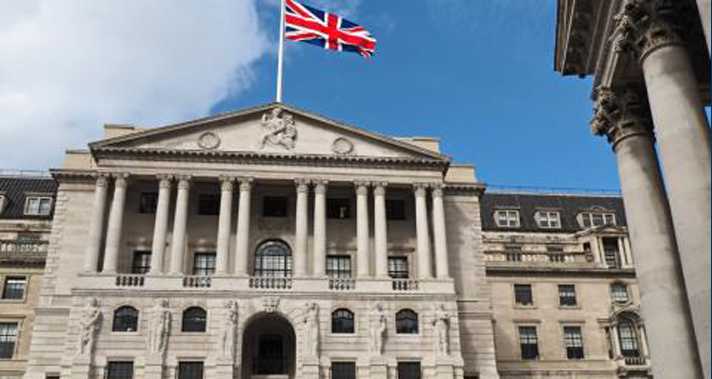
The Bank of England’s Financial Policy Committee has called for widespread crypto regulation, reported Coindesk earlier this month.
In its quarterly financial stability report, the BoE emphasised the need for “enhanced regulatory and law enforcement frameworks to address developments in crypto asset markets and activities.”
Globally, governmental and financial institutions are cracking down on crypto amid the current crypto market crash, with both the US and EU announcing plans to rein in crypto assets. The EU recently passed Markets in Crypto Assets (MiCA) to regulate crypto and protect consumers, and multiple House members in the US have put forward bills that would call for checks on cryptocurrency transactions.
A significant focus for these regulations centres around how best to monitor crypto exchanges and control stablecoins. The plans aim to bring crypto exchange platforms out of the unregulated shadows. For example, the largest exchange platform, Binance, is currently banned in multiple countries including the UK due to fraudulent activities. Under MiCA, exchanges will be required to gain authorisation and establish offices in EU.
Under MiCA legislation, stablecoins must cap daily transactions at €200 million, and issuers will be required to register as e-money providers or asset-referenced tokens with the European Banking Authority, and await authorisation.
The legislation proposed to US Congress was drafted by senators Cynthia Lummis and Kirsten Gillibrand, the Lummis-Gillibrand bipartisan bill, would also place more regulations on exchanges, require stablecoins to be backed by assets, and equates most crypto assets as securities, therefore bringing them under the remit of the Commodities Futures Trading Commission (CFTC).
If crypto has access to mainstream transactions, crypto assets could pose a threat to the wider financial system, hence the Bank of England’s strong motivation to gain firm control over the sector.
Source: Finextra