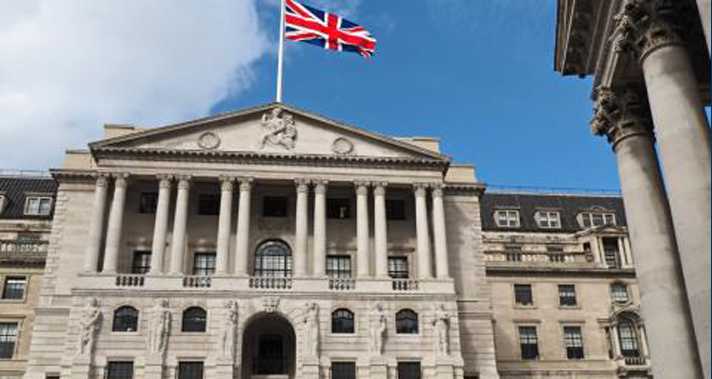
The Bank of England, the Monetary Authority of Singapore, and the Bank of Thailand announced a collaboration to explore the technical and policy implications of settling foreign exchange (FX) transactions using synchronised settlement mechanisms.
Building on insights from Project Meridian FXOpens in a new window1, this collaboration will test synchronised FX settlement across a diverse technical and institutional landscape. In the first instance, the experiments will leverage simulated versions of participating central banks’ Real Time Gross Settlement systems and Distributed Ledger Technology-based settlement environments to test:
- Interoperability between the systems of the participating central banks.
- Complex, multilateral use cases involving different types of settlement infrastructure.
Participating central banks will conduct experiments that can potentially enable atomic, real-time FX transactions that are fast, secure, and interoperable across diverse systems. Specifically, this collaboration will explore synchronisation’s potential to support Payment versus Payment FX settlement across jurisdictions with different infrastructures, time zones, and regulatory frameworks.
This collaboration reflects these central banks’ shared commitment to foster the development of financial infrastructure arrangements that enhance cross-border interoperability of tokenised transactions.
Tom Mutton, Director of Fintech at the Bank of England, said, “This project explores, in more realistic conditions, how synchronisation solutions might support an open and effective global financial system by providing a new, innovative FX settlement channel. This, together with our RT2 Synchronisation Lab2, forms part of our wider roadmap to support innovation and new functionality in money and payments.”
Kenneth Gay, Chief FinTech Officer at the Monetary Authority of Singapore, said, “To realise the potential of tokenised financial systems, international cooperation is needed to foster the development of open and interoperable networks. We look forward to exploring how synchronised settlement can enhance interoperability across different jurisdictions and infrastructures through this collaboration.”
Thammarak Moenjak, Senior Director, Digital Currency Policy and Development Unit at the Bank of Thailand said, “This joint initiative, linking different settlement infrastructures through an interoperable and synchronized mechanism, will potentially enhance the efficiency of conducting FX Payment versus Payment (FX PvP) transactions and support cross-border Delivery versus Payment (DvP) use cases. In achieving that, this collaboration will inform our development of wholesale settlement infrastructure by gaining insights from different technical systems, operating models, and regulatory frameworks.”
Source: Bank of England