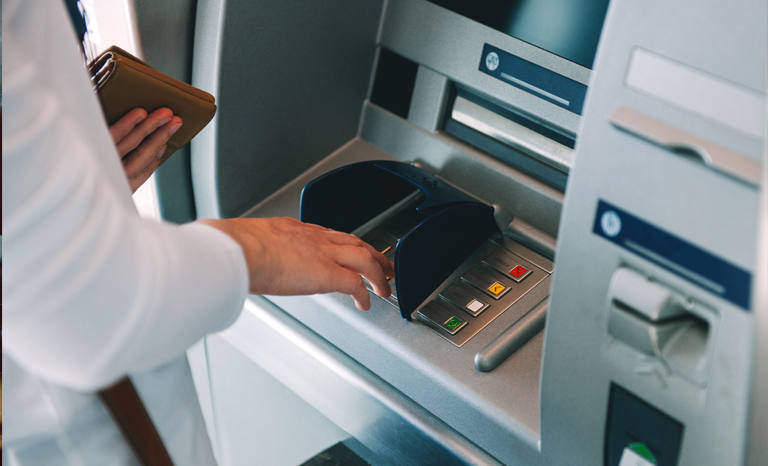
The FCA has charged Mr Olumide Osunkoya, who is 45 and resides in London, for unlawfully running multiple crypto ATMs without FCA registration. Crypto ATMs are machines that allow you to buy or convert money into cryptoassets.
Mr Osunkoya is accused of running crypto ATMs, which processed £2.6m in crypto transactions across multiple locations between 29 December 2021 and 8 September 2023 without the required registration.
The charges mark the FCA’s first criminal prosecution relating to unregistered cryptoasset activity under the Money Laundering, Terrorist Financing and Transfer of Funds (Information on the Payer) Regulations 2017 (MLRs). These are also the first charges brought against a person accused of running a network of crypto ATMs in the UK.
The charges follow the FCA’s recent operation, working in partnership with law enforcement agencies, to tackle illegally operated crypto ATMs across the country.
Therese Chambers, joint executive director of enforcement and market oversight at the FCA said:
‘Our message today is clear. If you’re illegally operating a crypto ATM, we will stop you.
‘If you’re using a crypto ATM, you are handing your money directly to criminals. Criminals can exploit crypto ATMs to launder money globally.’
There are no legal crypto ATM operators in the UK.
The defendant will appear before Westminster Magistrates’ Court on 30 September 2024.
The FCA continues to warn people that if you buy crypto, you should be prepared to lose all your money. Crypto remains largely unregulated in the UK and is high-risk.
Source: FCA