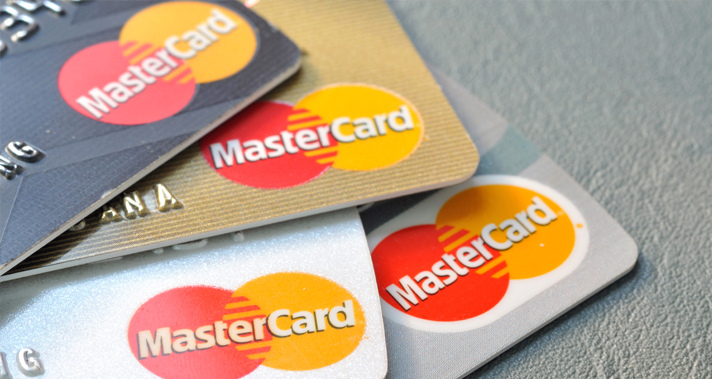
Mastercard has been certified under the United Kingdom’s Digital Identity and Attributes Trust Framework (DIATF) as an identity provider.
Mastercard’s ID app, which is available at the major mobile app stores, gives consumers more choice in how they prove their identity whether they’re starting a new job, making a purchase, renting a flat, or applying to university.
The service uses Mastercard’s global network and data privacy practices, keeping consumers in control of their data, so people can choose what information to provide, to whom, and when.
Certified organisations like Mastercard can work with each other, ensuring that digital attributes and identities are consistent and trusted. Providers conduct annual assessments to verify they meet DIATF requirements.
“By receiving certification in the UK, Mastercard can collaborate with the private and public sector to offer ID,” says Sarah Clark, SVP, Digital Identity at Mastercard.
Mastercard has been scaling ID globally since 2019, announcing several pilots and global partnerships with Samsung and Microsoft. Over the past two years, Mastercard has also successfully partnered with Optus, one of the largest telecommunications companies in Australia, to provide ID to more than 600,000 of its customers.
Source: Finextra