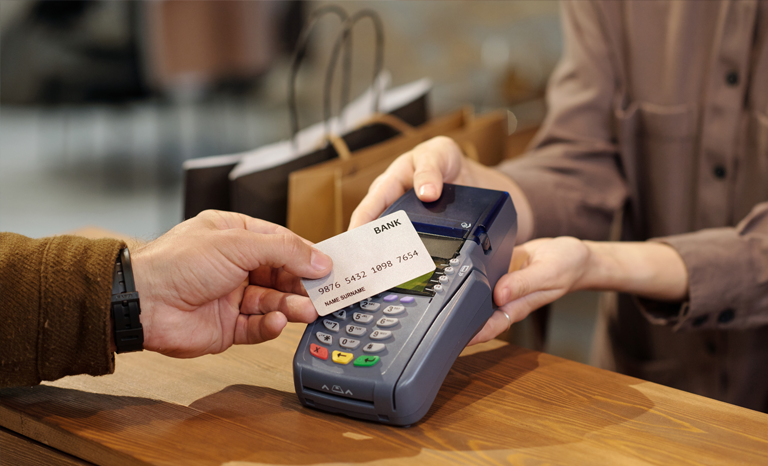
The UK’s biggest banks are not lifting the £100 limit on contactless payments despite being given the option to do so by regulators.
Following a consultation, in December the Financial Conduct Authority decided that from 19 March banks are allowed to remove the £100 cap.
However, high street giants including Barclays, HSBC, Lloyds, Nationwide, NatWest and Santander, as well as digital challenger Monzo, have all spurred the opportunity, citing a lack of customer demand. Revolut and Starling have not yet confirmed their plans.
While contactless payments are hugely popular in the UK, accounting for 67% of credit card and 76% of debit card transactions, the average value of a tap and pay purchase is under £18.
The FCA has previously argued that scrapping the limit could benefit consumers, merchants and economic growth in the UK by giving people and businesses greater choice, flexibility and smoother purchases.
It also argued that “greater flexibility will incentivise firms to step up their fraud prevention, giving consumers greater protection and peace of mind”.
However, the watchdog acknowledged in December that “most banks and payment service providers are likely to maintain their existing contactless limits for the foreseeable future”.
Source: Finextra